Welcome to Hebei diao Rubber Products Co., Ltd.
Content number
Contact email

NEWS CENTER
28
2025
-
04
How to Replace Automotive Silicone Hoses
Author:
How to Replace Automotive Silicone Hoses
Replacing automotive silicone hoses is an important step in maintaining engine reliability. Choosing high-quality silicone hoses can make the entire system run more smoothly and extend its service life.
Preparation of Tools and Materials
-
New automotive silicone hose (make sure the model and size are correct)
-
Screwdriver (Phillips or flathead, depending on the type of clamp)
-
Hose clamps (it’s recommended to replace with new ones)
-
Scissors or utility knife (for trimming the silicone hose if needed)
-
Protective gloves
-
Cleaning cloth or towel
-
Lubricant (such as silicone oil, to aid installation)
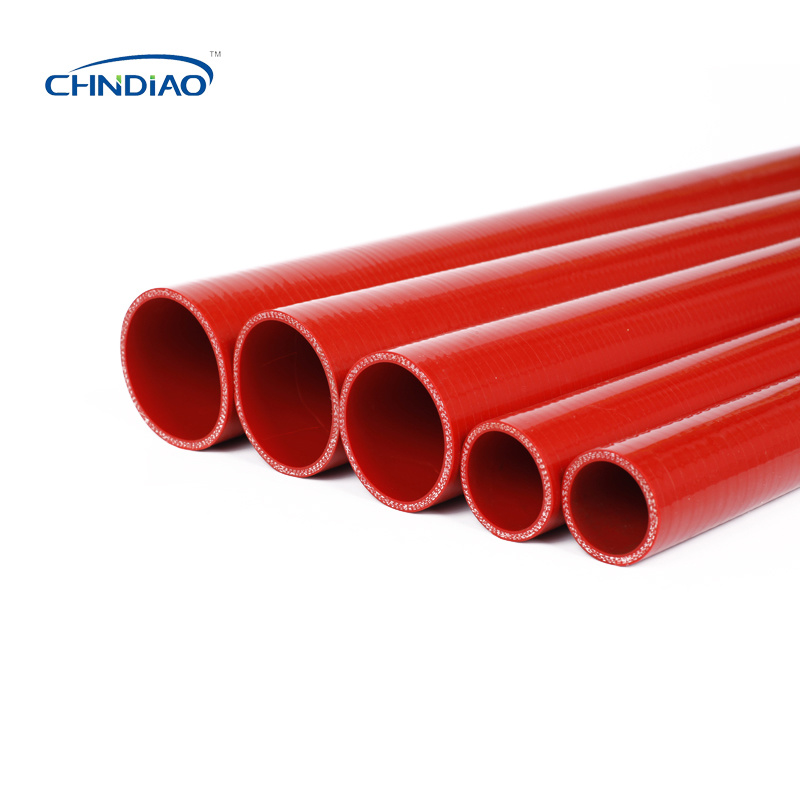
Replacement Steps
1. Ensure the Engine is Cool
Silicone hoses usually carry coolant or hot gases. It is very dangerous to operate before the engine has cooled down. Always wait until the engine reaches room temperature.
2. Drain the Related Fluids
If you are replacing a hose connected to the cooling system, you need to drain the coolant first. Locate the radiator drain plug and unscrew it to release the coolant.
3. Loosen the Clamps
Use a screwdriver to loosen the clamps securing the old silicone hose at both ends. You don’t need to remove them completely — just loosen them enough so the hose can be pulled off.
4. Remove the Old Hose
Gently twist the silicone hose and pull it off the fitting. If it’s too tight, carefully pry it loose with your fingers, but do not forcefully yank it to avoid damaging the fittings.
5. Clean the Fittings
Use a clean cloth to wipe off any oil, rust, or debris on the fittings, ensuring the surface is clean and smooth for the new hose installation.
6. Pre-install the Clamps
Slide the new clamps onto the new silicone hose, positioning them roughly near each end.
7. Install the New Silicone Hose
If the fit is tight, apply a small amount of lubricant to the fitting and the inside of the hose. Then push the silicone hose firmly onto the fitting until it is fully seated.
8. Secure the Clamps
Move the clamps into position near the fitting and tighten them to secure the hose firmly in place.
9. Check and Refill Coolant
If you replaced a hose in the cooling system, refill the coolant and remove any trapped air (you can do this by opening the air bleed valve or gently squeezing the silicone hose).
10. Start the Engine and Inspect
Start the engine and check the new hose connections for leaks, bulges, or other abnormalities. If everything looks normal, the replacement is complete!
Why Choose DIAO Silicone Hoses?
Superior High-Temperature Resistance
DIAO silicone hoses can perform reliably between -50°C and 220°C, even in high-temperature engine environments.
Multi-Layer Reinforced Construction
Hand-wound with high-strength polyester fibers, DIAO hoses maintain structural integrity under pressure and resist bursting.
Flexibility and Strength
Soft, easy to install, and resistant to breakage, DIAO hoses offer excellent tensile and compressive strength, ideal for tight spaces and bends.
Enhanced Appearance
The high-gloss finish stays vibrant even after exposure to heat, enhancing the engine bay's visual appeal.
Custom Fit
Precisely designed for different vehicle models, DIAO hoses ensure a perfect fit with minimal installation time.
Longer Lifespan
With a lifespan 3 to 5 times longer than rubber hoses, DIAO silicone hoses reduce replacement and maintenance costs.
discharge water hose,automotive silicone hoses,custom radiator hoses,automotive rubber hose manufacturers,wire reinforced hose,1 inch coolant hose,hose 90 degree elbow,colored radiator hose,silicone hose 3 inch,auto coolant hoses,rubber hose elbow,silicone hose for air intake
Next page
Next page

Our factory specializes in the production and supply of high quality silicone hoses, food grade silicone hoses, medical silicone hoses, fuel hoses, radiator hoses, air rubber hoses, EPDM sealing strips, spiral protective covers and silicone plates and other trucks, automotive rubber accessories (support OEM and ODM).
Our address
Wangguanzhuang Town, Qinghe County, Xingtai City, Hebei Province,China